
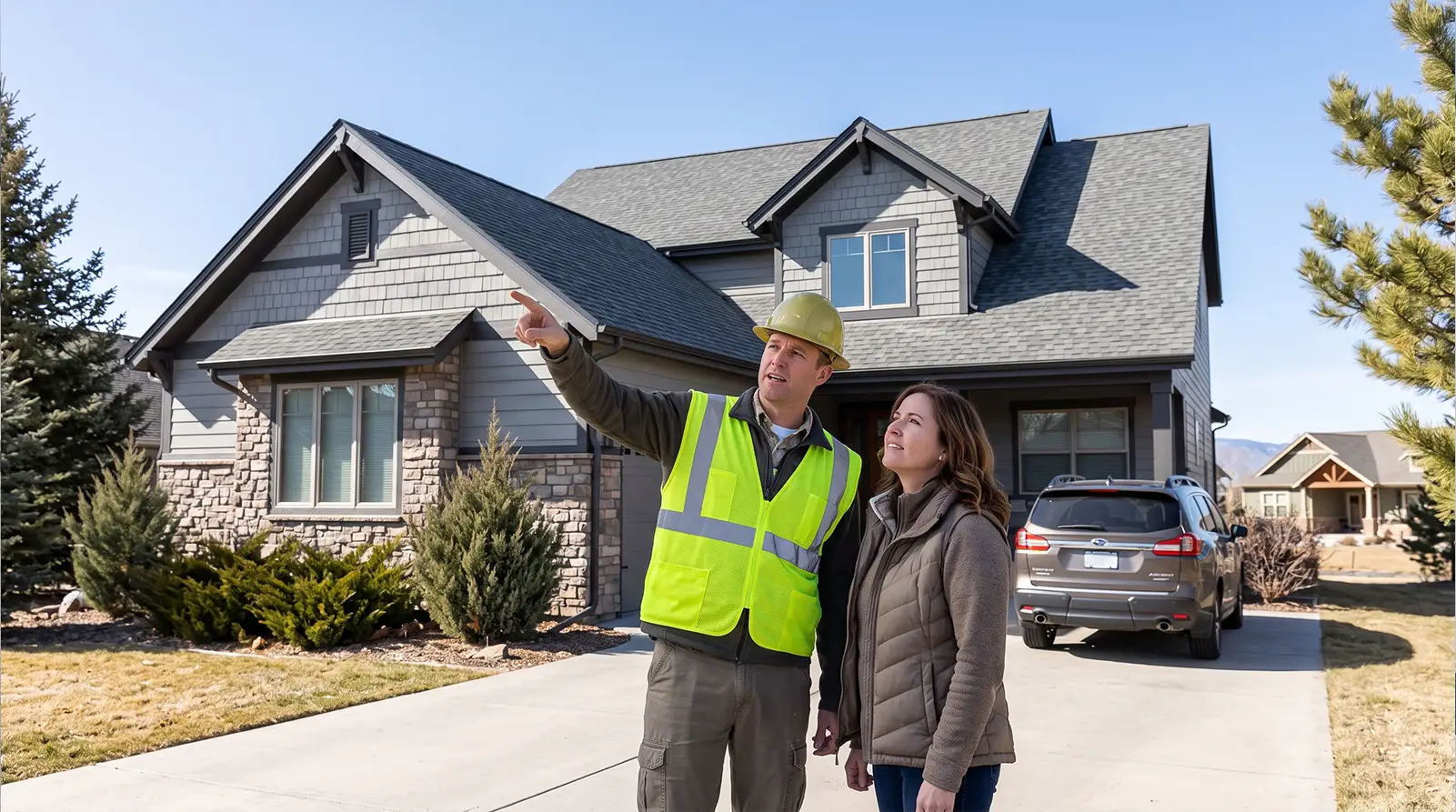
When you are searching for a local roofer in Northern Colorado, the right choice should feel less like hiring a salesperson and more like choosing a trusted advisor for one of your home’s most important protection systems. At American Roofing and Restorations, we serve homeowners across Wellington, Windsor, Fort Collins, Loveland, and surrounding Northern Colorado communities with a focus on honest roof inspections, clear recommendations, quality materials, and long-term workmanship.
Northern Colorado roofs face a demanding mix of weather: hail, high winds, heavy sun exposure, freeze-thaw cycles, snow load, and fast-moving spring and summer storms. That means choosing a roofing contractor is not just about comparing prices. It is about verifying whether the company understands local roof performance, code requirements, storm documentation, insurance coordination, ventilation, gutters, materials, and installation standards.
Start With Local Roofing Experience in Northern Colorado
A roofing contractor who works regularly in Wellington, Windsor, Fort Collins, and Loveland should understand how roofs perform along the Front Range. Northern Colorado homes can experience intense hail one season, high wind uplift the next, and winter ice buildup shortly after. A contractor who mostly works outside the region may not know which materials, installation details, and ventilation practices hold up best here.
Local experience matters because roof problems often look different depending on the neighborhood and exposure. A home near open farmland outside Wellington may take more direct wind and hail impact. A Windsor home in a newer development may need careful review of builder-grade materials, flashing, and attic ventilation. Older Fort Collins homes may have decking, ventilation, or previous-layer issues that must be addressed before a proper replacement. Loveland homes near foothill exposure may need a different conversation about wind, snow, and long-term material durability.
A strong local roofing contractor should be able to explain what they typically see in your area, why certain roof systems fail early, and when repair is reasonable versus when replacement is the smarter long-term decision.
Verify Licensing, Insurance, and Local Compliance
Colorado does not have one universal statewide roofing license, so homeowners must verify local licensing and contractor qualifications carefully. The Colorado Roofing Association’s contractor selection guidance notes that there is no statewide roofing license or registration requirement for Colorado roofing contractors, which makes local verification especially important.
Before hiring a roofing company, ask for proof of:
- Local business licensing where required
- General liability insurance
- Workers’ compensation coverage
- Written workmanship warranty
- Manufacturer certifications
- Permit handling process
- Project supervision standards
- A written scope of work before signing
Insurance is especially important. If a crew member is injured on your property or accidental damage occurs during the project, you do not want to discover too late that the contractor was underinsured. A reputable roofer should provide certificates of insurance upon request without hesitation.
Permitting also matters. Roofing requirements can vary by municipality and county. Your contractor should know when permits are required, who pulls them, how inspections are handled, and whether your project needs special attention because of roof pitch, decking condition, ventilation, or material changes.

Choose a Roofer Who Inspects Before They Sells
A trustworthy roofing contractor should never recommend a full roof replacement based only on a quick glance from the driveway. A proper roof inspection should include a complete review of the roof surface, flashing, penetrations, vents, valleys, gutters, downspouts, attic ventilation where applicable, and signs of previous repair or storm impact.
For hail damage, this is especially important. NOAA’s National Severe Storms Laboratory classifies quarter-size hail, or 1 inch in diameter, as severe, and larger hail can cause meaningful damage to roofing materials, vents, gutters, siding, windows, and exterior components. The same NOAA resource lists golf-ball hail at 1.75 inches and baseball-size hail at 2.75 inches, which helps homeowners understand why post-storm inspections are so important in Northern Colorado.
The best roofing inspections are documented. Photos, drone imagery, measurements, notes, and clear explanations help you understand what is actually happening on your roof. At American Roofing and Restorations, we use AI-powered drone inspection technology because it gives homeowners a more complete picture of the roof without relying on guesswork. The goal is not to create pressure. The goal is to give you enough information to make a confident decision.
Look for Clear Repair vs. Replacement Guidance
Not every roof needs replacement. A qualified local roofer should be honest about when repair is enough. Small flashing issues, isolated missing shingles, a damaged pipe boot, or a localized leak may be repairable if the rest of the roof system is in good condition.
Replacement becomes more likely when the roof has widespread granule loss, brittle shingles, multiple leak points, hail bruising across several slopes, failing underlayment, repeated wind damage, poor ventilation, or age-related deterioration. The contractor should explain the difference between a visible symptom and a system-wide issue.
A good roofer will not simply say, “You need a new roof.” They should explain why. Is the roof failing because of storm damage? Age? Improper installation? Poor attic ventilation? Low-quality materials? Previous repairs? Decking movement? The answer determines the best solution.
Compare the Estimate, Not Just the Price
A low roofing bid can look attractive until you compare what is actually included. Two roofing estimates may both say “roof replacement,” but one may include proper underlayment, drip edge, starter shingles, ridge caps, flashing, ventilation upgrades, decking replacement allowances, cleanup, permits, and warranty documentation, while the cheaper estimate leaves several of those items vague or excluded.
A complete roofing estimate should clearly identify:
- Roofing material and manufacturer
- Shingle or roof system type
- Underlayment details
- Ice and water protection where applicable
- Flashing replacement or reuse
- Ventilation components
- Drip edge and starter materials
- Ridge cap materials
- Pipe boots and roof penetrations
- Decking repair pricing
- Tear-off and disposal
- Gutter work if included
- Permit responsibility
- Warranty terms
- Payment schedule
- Project timeline
The more vague the estimate, the more risk you take on. A professional roofing contractor should be able to walk you through every line item in plain English.

Ask About Materials That Fit Northern Colorado Conditions
Asphalt shingles remain common, but not every asphalt shingle performs the same. Class IV impact-resistant shingles are often a smart option for homeowners concerned about hail exposure. Metal roofing, stone-coated steel, composite roofing, and tile may also be worth discussing depending on your home, budget, HOA rules, roof structure, and long-term goals.
The best contractor will not force one material on every homeowner. They will explain tradeoffs: upfront cost, expected durability, hail resistance, wind performance, appearance, maintenance needs, repairability, insurance considerations, and warranty coverage.
For many Northern Colorado homeowners, the real question is not “What is the cheapest roof?” The better question is, “Which roof system gives my home the best protection and value over time?”
Avoid High-Pressure Storm Sales Tactics
After a hailstorm, homeowners in Wellington, Windsor, Fort Collins, and Loveland may see a wave of out-of-area contractors moving through neighborhoods. Some may be legitimate. Others may be high-pressure storm chasers who disappear after the work is complete.
Be cautious if a contractor knocks on your door immediately after a storm, pressures you to sign on the spot, offers to “cover” or “waive” your deductible, avoids written documentation, refuses to show insurance, or claims they can handle your insurance claim in a way that sounds too good to be true.
A reputable roofer will give you time to review your options. They will document findings, explain your roof condition, provide a written estimate, and operate within legal and ethical boundaries. If insurance is involved, they can help document roof damage and communicate construction-related findings, but they should not pretend to be a public adjuster unless properly licensed as one.
Evaluate Communication Before You Sign
The way a contractor communicates before the project is usually a preview of how they will communicate during the project. Pay attention to how quickly they respond, whether they answer your questions clearly, whether the estimate is organized, and whether they explain the process without rushing you.
You should know what happens from inspection to estimate, from approval to scheduling, from material delivery to installation, and from final cleanup to warranty documentation. You should also know who your point of contact is if something changes.
Professional roofing is not just about installation. It is about project management. That includes scheduling, crew coordination, site protection, material ordering, cleanup, quality control, and follow-up.

Review Warranties Carefully
Roofing warranties usually fall into two categories: manufacturer warranties and workmanship warranties. Manufacturer warranties cover product-related issues, while workmanship warranties cover installation-related issues. Both matter, but they are not the same.
Ask how long the workmanship warranty lasts, what it covers, what it excludes, how warranty service is requested, and whether you receive documentation after completion. Also ask whether the contractor’s manufacturer certifications give you access to enhanced system warranties.
A roof is a major investment. You deserve more than a verbal promise.
Choose a Roofer Who Values Education, Not Pressure
A strong roofing contractor should help you understand your roof, not overwhelm you. You should feel more informed after the inspection than you did before it. You should understand what was found, what it means, what your options are, and what happens next.
That education-first approach is central to how we serve homeowners. American Roofing and Restorations is not built around rushing customers into decisions. We believe a well-informed homeowner makes better choices about repair, replacement, materials, financing, insurance, and long-term roof protection.
Schedule Your Free Roof Inspection
If you are comparing roofing contractors in Wellington, Windsor, Fort Collins, Loveland, or nearby Northern Colorado communities, start with a documented inspection. A roof inspection gives you the facts before you commit to a repair, replacement, insurance claim, or material upgrade.
You can learn more about our local service areas and schedule through our Colorado roofing services. Our team will inspect your roof, explain what we find, answer your questions, and provide a clear recommendation based on your home—not a one-size-fits-all sales pitch.

Conclusion
Choosing the right roofing contractor in Northern Colorado comes down to trust, documentation, local experience, and workmanship. The best roofer is not always the cheapest bid or the fastest talker after a storm. The best roofer is the company that inspects carefully, explains clearly, documents thoroughly, installs correctly, and stands behind the work after the project is complete.
For homeowners in Wellington, Windsor, Fort Collins, and Loveland, the right roofing decision protects more than shingles. It protects your home, your budget, your family, and your long-term peace of mind. When you are ready for clear answers, schedule your free roof inspection with American Roofing and Restorations.
FAQ
How do I know if a Northern Colorado roofing contractor is legitimate?
Ask for proof of local licensing where required, general liability insurance, workers’ compensation coverage, manufacturer certifications, a written estimate, and a clear workmanship warranty. You should also review local experience, customer reviews, project documentation, and whether the contractor explains the inspection findings clearly. A legitimate roofer will not pressure you to sign immediately or avoid questions about insurance, permits, or warranty coverage.
Should I get my roof inspected after a hailstorm even if I do not see damage?
Yes. Hail damage is not always visible from the ground. A roof may look fine from the driveway while still having granule loss, bruised shingles, damaged vents, dented gutters, or compromised flashing. In Northern Colorado, where hail and wind events are common, a documented inspection after a significant storm helps you understand whether the roof is still performing properly or whether repairs are needed before leaks develop.
Is the cheapest roofing estimate a bad choice?
Not always, but it should be reviewed carefully. A cheaper estimate may exclude important items such as proper underlayment, flashing replacement, ventilation, drip edge, ridge materials, permit handling, cleanup, warranty coverage, or decking repair allowances. Before choosing the lowest price, compare the full scope of work, materials, installation details, warranty terms, and contractor reputation. The best value is the roof system that protects your home properly over time.